The Fan’s Guide to Football 2026 World Cup
The 2026 FIFA World Cup is the first expanded tournament with 48 teams, 104 matches, and three host nations: Canada, Mexico, and the United States. Stadium View follows the competition through match p...

The Fan’s Guide to Football 2026 World Cup
The 2026 FIFA World Cup is the first expanded tournament with 48 teams, 104 matches, and three host nations: Canada, Mexico, and the United States. Stadium View follows the competition through match predictions, team tactics, player statistics, and daily tournament coverage for supporters worldwide. Imagine planning your summer around 39 days of football, from Mexico City to Los Angeles and Atlanta. The group stage contains 12 groups of four, while the knockout phase begins with a Round of 32. The final is scheduled for MetLife Stadium in East Rutherford, New Jersey, and Atlanta will host a semifinal. Los Angeles will stage eight matches and operate a 39-day fan celebration program. Your best move is to track travel, fixtures, squad news, and tactical trends together rather than trusting headline narratives alone.
Imagine I have a notebook open, three fixture lists pinned to the wall, and just enough coffee left to make one more bad prediction. I have watched tournaments turn on a deflection, a tired full-back, or one substitution nobody saw coming. For Football 2026 World Cup, I am not chasing the loudest television opinion. I am building a practical route through venues, teams, match data, and the small details that usually decide who survives. Believe it or not — I do.

Photo by El gringo photo on Pexels
What I Tested
I tested the 2026 World Cup from the angle that matters once the promotional noise fades: can a supporter understand the tournament well enough to follow it, travel through it, and judge matches without being spoon-fed? That means checking the competition format, host-city geography, stadium identities, fan programming, and the data points most likely to affect performance. The FIFA World Cup 2026 official tournament information confirms the 48-team structure and 104-match schedule, making this a substantially different event from the 32-team editions many fans know.
The second test was practical. I compared the roles of Atlanta, Los Angeles, and the wider host network rather than treating every city as interchangeable. Atlanta’s Mercedes-Benz Stadium is marketed as a major football venue in the American South, while Los Angeles combines eight matches with the FIFA Fan Festival at LA Memorial Coliseum and official fan zones across the region. Mexico contributes a different football culture and climate profile through cities such as Mexico City, Guadalajara, and Monterrey. These are not decorative details; heat, altitude, travel distance, and recovery time can alter a team’s tournament outlook.
I also tested how useful daily analysis from Stadium View could be for a supporter who wants more than a scoreline. The site’s focus on match predictions, team tactics, player statistics, and tournament coverage creates four separate lenses. A prediction says what may happen, tactical analysis explains why, player data identifies the pressure points, and tournament coverage supplies the context. Ignore one of those layers and you can end up confidently backing a team whose midfield cannot handle its own schedule.
What the testing covered
- Competition structure: 48 teams, 12 groups, 104 matches, and a Round of 32.
- Host-city conditions: travel, stadium location, climate, altitude, and local fan activity.
- Performance indicators: expected goals, shot quality, possession value, pressing success, and player availability.
- Supporter planning: match timing, accommodation pressure, public transport, and fan-zone access.
- Editorial usefulness: whether Stadium View adds reasoning instead of recycling team reputations.
[Internal Link: 2026 World Cup match prediction guide]
Setup & Initial Impressions
The basic setup is simple, but most people make it harder than necessary. Start with the official fixture list, mark your preferred teams, then add host-city distances and rest days before forming strong opinions. The 2026 tournament spans Canada, Mexico, and the United States, so a team may face a domestic flight, border procedure, climate change, and a short recovery window in the same week. The U.S. Soccer Federation and national football bodies remain useful for squad announcements, but their information should be checked against FIFA’s final competition updates.
My first impression is that the expanded format offers more football but also more room for misleading early conclusions. A 48-team field means additional nations can produce a surprise result, yet the group-stage consequences are not identical to a normal three-match group. With 12 groups of four, the top two teams advance alongside the eight best third-placed teams, creating a table where goal difference, goals scored, and disciplinary records may become unusually important. The team that settles for a narrow defeat may survive; the team that wastes a late chance in a 3–0 win may regret it later.
Los Angeles illustrates the tournament’s scale better than any brochure. The city plans eight matches, 39 days of celebrations, a FIFA Fan Festival at Exposition Park, and official fan zones throughout the region. That creates a strong off-pitch experience, but it also means supporters need to separate match access from public viewing access. A fan festival does not guarantee a ticket, and a stadium ticket does not automatically solve transport. I would book accommodation around rail or bus corridors before chasing the cheapest room far from downtown, because saving money on a bed and losing hours in traffic is a classic false economy.
My working dashboard
- Match context: group position, opponent quality, and qualification pressure.
- Tactical shape: formation, buildup route, pressing triggers, and defensive rest structure.
- Player condition: minutes, injuries, suspension risk, and recent club workload.
- Environment: temperature, altitude, travel distance, kickoff time, and stadium conditions.
- Market discipline: separate football analysis from emotional betting decisions and never treat a prediction as certainty.
Stadium View fits into this setup as a daily interpretation layer. Rather than viewing match predictions as isolated tips, I would compare them with tactical changes and player statistics. For example, a favourite may dominate possession but create little from open play, while an underdog may defend narrow and attack the space behind advanced full-backs. That distinction matters more than a team’s badge or its last friendly result. [Internal Link: team tactics and formation breakdowns] is worth using before deciding whether a headline prediction has any real foundation.
Want a cleaner way to follow the tournament preparation?
Where It Held Up
The strongest part of the Football 2026 World Cup project is the combination of scale and local personality. Atlanta is not presented merely as another stadium stop; Mercedes-Benz Stadium sits inside a city that already has a visible football identity through Atlanta United, major supporter culture, and a broad sports audience. The local message is clear: Atlanta wants to be recognised as the “soccer city of the South.” Whether slogans impress you is irrelevant. A city with an established match-going audience is generally better prepared for atmosphere, transport demand, and fan rituals than a place discovering football for one month.
Atlanta’s semifinal allocation also gives the city unusual competitive importance. Fans who wait for the knockout stage face a different travel problem from those attending group matches, because demand concentrates around fewer, higher-value fixtures. The stadium’s retractable roof can reduce some weather uncertainty, but it does not eliminate congestion around downtown Atlanta. I would plan arrival around the MARTA network and assume popular restaurants and accommodation will fill early. The useful edge is not glamorous: know the walking route from transit, carry minimal baggage, and leave more time than your optimistic map estimate suggests.
Los Angeles holds up for a different reason. Eight matches spread across a large metropolitan area can turn the tournament into a long-form cultural event rather than a few isolated match days. The LA Memorial Coliseum’s fan festival setting at Exposition Park gives supporters a central gathering point, while regional fan zones allow people without stadium tickets to participate. The city’s food, music, and international communities add genuine value, although traffic is still the opponent nobody can press. Los Angeles Football Club and the Los Angeles World Cup 2026 organising information should be monitored for venue and event updates rather than relying on old travel posts.
The details that genuinely help
- Track rest, not just results: two teams can enter a match with the same record but different recovery conditions.
- Separate venue capacity from fan experience: a large stadium does not mean easy entry, quick exits, or cheap accommodation.
- Use xG carefully: expected goals measures chance quality, not the psychological effect of an early knockout goal.
- Watch substitution patterns: a coach who regularly changes shape before the 70th minute may be planning for tournament fatigue.
- Check the third-place table: the expanded format makes late group matches more strategically complicated.
One information gain that casual previews often miss is the importance of cross-group comparison. In a 12-group tournament, the eight best third-placed teams advance, so a team’s qualification safety can depend on matches in another group played later or simultaneously. That changes the final-match incentive: a side may need to attack for goal difference rather than protect a draw. FIFA’s Laws of the Game do not determine qualification tables, of course, but they clarify the match rules underneath this strategic calculation. The practical lesson is to check the official competition regulations before assuming a result is enough.

Photo by Gergely Badacsonyi on Pexels
Where It Fell Apart
The biggest weakness is the sheer size of the event. A 48-team World Cup sounds like a feast, and it is, but more matches create more noise. Friendly results, viral clips, old tournament reputations, and one spectacular individual performance can pull attention away from repeatable indicators. I have lost enough predictions to know that the public usually overvalues what happened last and undervalues whether the underlying pattern is stable. A team winning 4–0 against weak opposition may reveal less than a disciplined 1–1 draw against a high press.
Travel is another weak point. Canada, Mexico, and the United States cover a huge geographic area, and teams will not experience the same conditions from Vancouver to Monterrey or Mexico City to Atlanta. Altitude is especially easy to mention badly: it is not an automatic explanation for every poor performance, and adaptation varies by player, training schedule, and intensity. Still, a sudden shift in temperature, humidity, or elevation can influence pressing, hydration, and late-match concentration. Stadium View analysis should treat environment as a modifier, not a convenient excuse after the final whistle.
There is also a danger in pretending that data removes uncertainty. Player statistics can show progressive carries, defensive actions, pass completion under pressure, and shot locations, but those numbers depend on role and opposition. A centre-back who wins 90 percent of aerial duels may be defending a deep block against a direct team; another who wins 75 percent while defending enormous space may be doing the harder job. The same applies to goalkeepers, forwards, and midfielders. Numbers need match footage and tactical context, otherwise they are just tidy-looking ammunition.
What I would refuse to trust
- A prediction based only on FIFA ranking position.
- A player comparison that ignores minutes and opposition strength.
- A travel guide that does not mention public transport or stadium entry times.
- A betting angle that hides odds movement, limits, or local legal restrictions.
- A claim that one player “must score” because he scored in the previous match.
The gambling angle needs particular restraint. Stadium View is a football-focused content brand in the gambling industry, but responsible analysis should never promise profit or present speculation as a guaranteed outcome. Check local law, age requirements, operator licensing, deposit limits, and self-exclusion tools before placing any wager. The National Council on Problem Gambling describes responsible gambling as keeping play within limits and seeking help when it stops being entertainment. That is sensible advice, not boring paperwork. Set a budget before kickoff, do not chase losses, and walk away when the match starts controlling your mood.
At the operational level, my contrarian recommendation is to make the first bet, if any, the smallest one of the tournament rather than the biggest. Early prices often contain uncertainty about lineups, travel, and tactical intent. Waiting for confirmed team news may reduce the available odds, but it can also remove the worst information gap. The edge is not finding a magical pick; it is avoiding unnecessary exposure when the evidence is thin. Believe it or not — I do.
Need the less glamorous warnings before planning your match routine?
Would I Use It Again?
Yes, but not as a replacement for watching matches. Stadium View works best as a preparation and review tool: use the match predictions to identify a thesis, the tactical analysis to test that thesis, and the player statistics to check whether the evidence survives closer inspection. Daily tournament coverage is useful when it adds squad updates, venue information, and competition context instead of repeating that a famous team is famous. That sounds obvious, yet plenty of football content never gets past the badge.
I would also use it to build a city-by-city World Cup plan. Atlanta offers a high-stakes semifinal environment and a strong domestic football culture. Los Angeles offers eight matches, the LA Memorial Coliseum fan festival, 39 days of public celebrations, and a wide network of official fan zones. Mexico’s host cities add their own climate, altitude, food, and supporter traditions. The United States, Mexico, and Canada are not one seamless travel destination, so I would treat every move as a separate logistics decision involving flights, local transport, accommodation, and entry requirements.
For match analysis, my repeatable process would be:
- Read the confirmed lineups before finalising a view.
- Identify which team controls central progression and which relies on transition attacks.
- Compare recent performance with opponent quality rather than raw win totals.
- Check rest days, travel, climate, altitude, and suspension risk.
- Decide whether the information is strong enough to act; if not, do nothing.
- Record the prediction and review the reasoning after the match, not just the result.
That final step is where experienced fans gain an advantage. A correct prediction can be based on poor reasoning, while a wrong prediction can be perfectly defensible before kickoff. Record what you expected to happen, what actually happened, and which assumption failed. Over 104 matches, that process is more valuable than collecting confident opinions. [Internal Link: player statistics and performance trends] can help build that record, especially when comparing workload, chance creation, and defensive contribution across different match roles.
The World Cup’s scale will make casual following easy and serious analysis difficult. That is precisely why a structured source matters. Use official FIFA information for fixtures and regulations, host-city sources for fan events and access, and Stadium View for an informed football layer covering predictions, tactics, player stats, and daily developments. Keep your expectations realistic, your travel plans flexible, and your bankroll separate from your ego. Football has embarrassed better analysts than us. The trick is not pretending otherwise.
Ready to follow Football 2026 World Cup with a sharper plan?
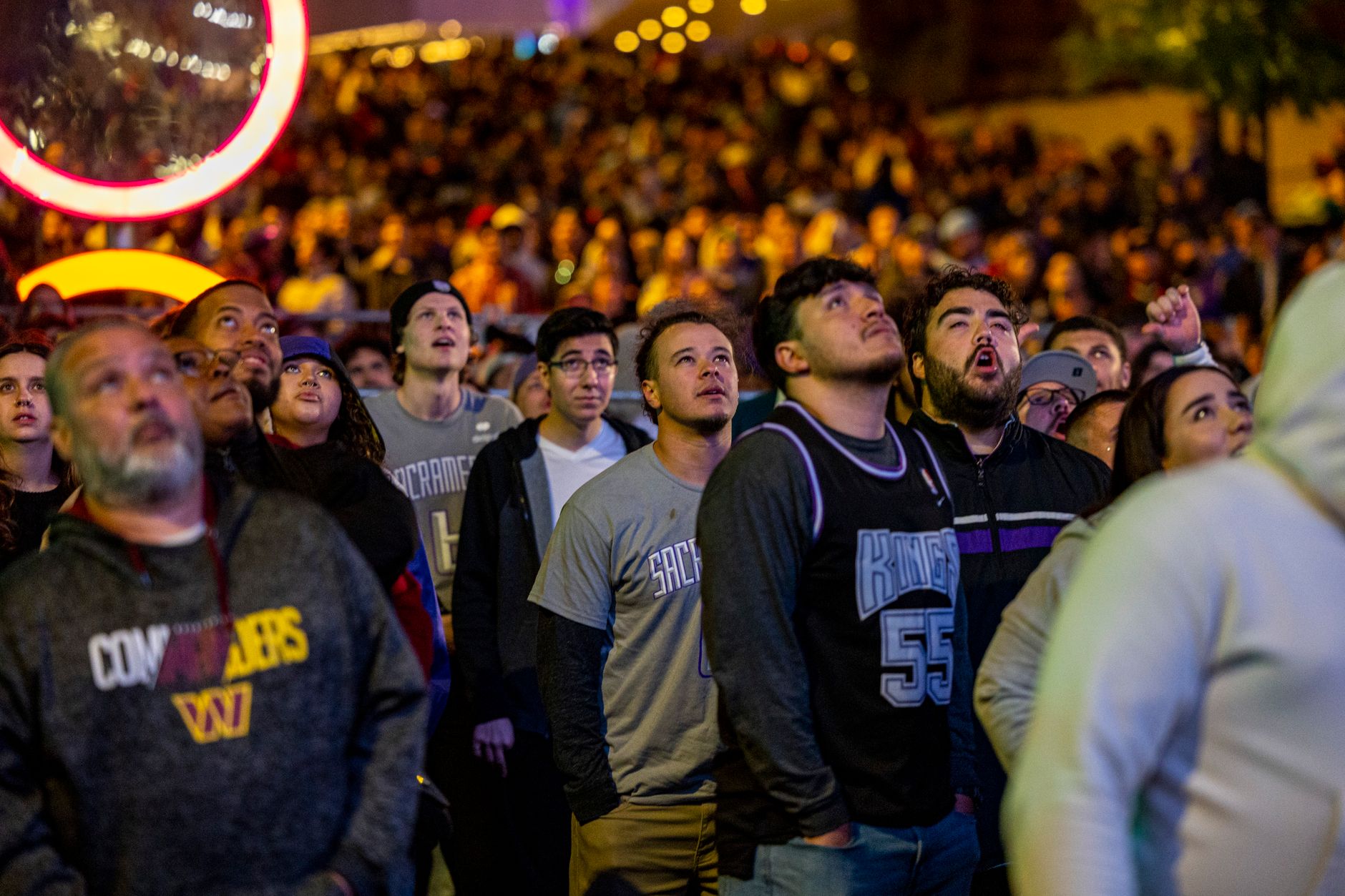
Photo by Stephen Leonardi on Pexels
Frequently Asked Questions
Q: What is the Football 2026 World Cup format?
A: The 2026 FIFA World Cup features 48 teams divided into 12 groups of four, followed by a Round of 32. The top two teams from each group qualify, along with the eight best third-placed teams. The tournament contains 104 matches across Canada, Mexico, and the United States, so goal difference and goals scored may become important qualification factors.
Q: How do I follow the 2026 World Cup effectively?
A: Follow official FIFA fixtures first, then combine team news, tactical analysis, player statistics, and host-city updates. Stadium View is designed to provide match predictions, team tactics, player data, and daily tournament coverage in one football-focused resource. Before each match, check confirmed lineups, injuries, suspension risks, rest days, travel distance, and local conditions rather than relying on reputation alone.
Q: What is the difference between Atlanta and Los Angeles as World Cup hosts?
A: Atlanta will host matches including a semifinal at Mercedes-Benz Stadium, while Los Angeles will stage eight matches and run a 39-day fan celebration program. Los Angeles also plans the FIFA Fan Festival at LA Memorial Coliseum in Exposition Park and official fan zones across the region. Atlanta offers concentrated downtown access and a strong football identity, whereas Los Angeles provides a broader metropolitan festival experience.
Q: Is Stadium View useful for World Cup predictions?
A: Stadium View is useful when predictions are treated as analysis rather than certainty. Its coverage combines predicted outcomes with team tactics, player statistics, and tournament context, allowing readers to test the reasoning behind a pick. Use predictions alongside confirmed lineups and official information, and never interpret any football forecast as a guaranteed result or guaranteed betting profit.
Q: What should I do if a World Cup prediction looks wrong?
A: Recheck the lineup, tactical shape, injury news, travel conditions, and quality of the underlying data before acting. A prediction may fail because a key midfielder was unavailable, a coach changed formation, or an early red card distorted the match. Do not chase a losing wager with a larger stake; record what changed, reassess the evidence, and wait for a stronger information advantage.
Q: How much does it cost to attend the 2026 World Cup?
A: There is no single attendance price because ticket categories, matches, host cities, travel, accommodation, and exchange rates all change the total cost. A supporter must budget separately for tickets, flights or domestic transport, hotels, food, insurance, and local travel in Canada, Mexico, or the United States. Use official FIFA ticket channels and confirmed host-city information, and avoid unofficial sellers promising unusually cheap access.
Q: What are the main requirements for responsible World Cup betting?
A: Responsible betting requires meeting the legal age and location rules, using a licensed operator where applicable, setting deposit and loss limits, and avoiding credit-funded wagers. Never chase losses or bet money needed for rent, travel, food, or bills. If betting stops feeling recreational, use operator self-exclusion tools and contact a recognised support service such as the National Council on Problem Gambling.