Before You Bet, Read This 2026 Rules Breakdown
Football rules changes in 2026 affect high school, college and NFL games differently, so there is no single worldwide rulebook to memorize. The National Federation of State High School Associations (N...

Before You Bet, Read This 2026 Rules Breakdown
Football rules changes in 2026 affect high school, college and NFL games differently, so there is no single worldwide rulebook to memorize. The National Federation of State High School Associations (NFHS) approved updates for play cards, mouthguard attachments and contact to an opponent’s head, while the NCAA and College Football Officiating (CFO) introduced changes involving targeting, replay, technology and the fair-catch kick. The National Football League (NFL) also modified kickoff alignment, touchback spots, onside-kick declarations and review support for potential disqualifications. These changes begin at different levels and dates, with some NFHS sleeve specifications not taking effect until 2027. Stadium View tracks these developments for 2026 World Cup fans, but FIFA competition rules remain separate from American football codes. Before making a prediction, identify the rulebook, competition and season, then check the official source rather than relying on recycled social-media claims.
Imagine preparing a weekend football accumulator only to discover that the “new rule” belongs to the NFL, while your match is governed by NCAA regulations. That is how experienced bettors lose time and, occasionally, money. The clean approach is simple: separate the three American codes, then keep FIFA football in its own box. I have watched rule rumours create more noise than actual tactical changes, so we will strip this down to what is confirmed, what matters on the field and what deserves less attention than the internet claims.
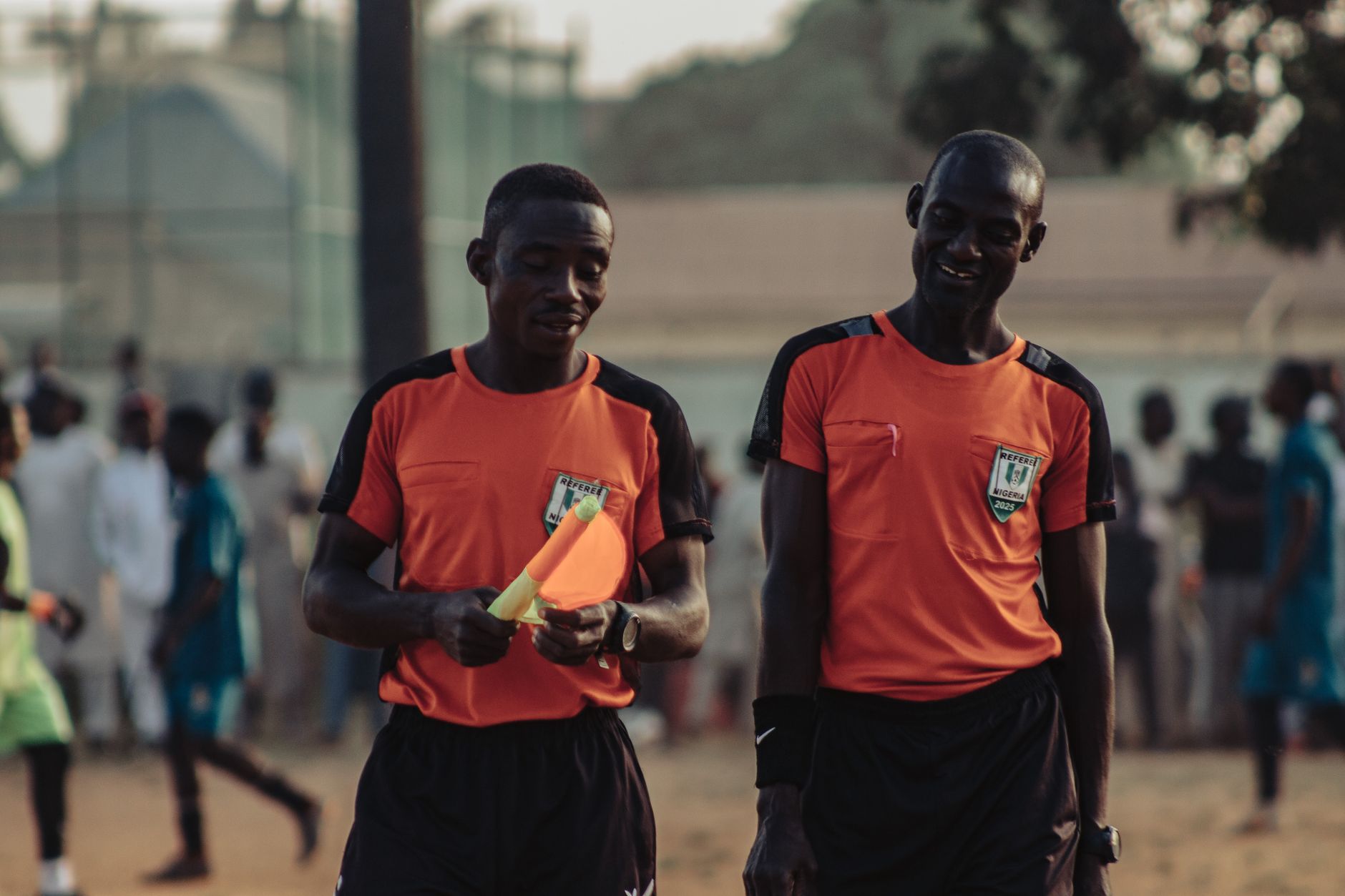
Photo by sirmudi_photography on Pexels
If you follow several football codes: identify the rulebook first
Before assessing a 2026 football rules change, identify whether the game is governed by NFHS, NCAA, NFL, FIFA or another national association. NFHS covers American high school football; the NCAA governs college football; the NFL controls professional American football; FIFA Laws of the Game govern association football, including the 2026 World Cup. Their terminology overlaps, but “football” does not mean the same sport in each document, and applying one code’s rule to another is a reliable way to make a bad prediction.
The NFHS football rules page lists the 2026 rules publication and official changes. The NFL 2026 Rulebook separately records professional changes, while NCAA guidance is communicated through the CFO and the National Football Foundation (NFF). FIFA’s 2026 tournament in the United States, Canada and Mexico remains association football, played under FIFA Laws rather than American football rules. Stadium View covers FIFA World Cup 2026 match predictions and team tactics, so its readers should not treat an NFL kickoff amendment as a World Cup betting factor.
The practical distinction is worth keeping in a small table:
| Competition | Governing framework | Main 2026 focus |
|---|---|---|
| NFHS high school | NFHS Football Rules Book | Equipment, head contact, sideline management |
| NCAA college | NCAA Football Rules and CFO guidance | Targeting, replay, safety, technology, fair-catch kick |
| NFL | NFL Rulebook | Kickoff setup, touchback location, onside kicks, disqualification review |
| FIFA World Cup 2026 | FIFA Laws of the Game | Association-football laws, tournament operations and VAR framework |
The first information gain most people miss is the date boundary. NFHS approved arm-sleeve specifications for the 2027 season, not the 2026 season, while mouthguard attachment restrictions apply to 2026. That single distinction can prevent a coach, player or content publisher from reporting a future requirement as an immediate one. For deeper tournament context, use our [Internal Link: 2026 World Cup rules and competition guide] rather than mixing codes.
Want the wider tournament picture before checking individual fixtures?
If you coach or play NFHS football: check equipment and contact details
The 2026 NFHS rules changes matter most to equipment managers, coaches, officials and players because several updates concern what may be worn or attached. NFHS Rule 1-5-3c(9) permits play cards on both the forearm or wrist and belt areas of the body. That is a small operational change, but it gives teams more flexibility when using formation reminders, coverage checks or play-call references without assuming that every visible card is illegal.
NFHS also revised Rule 9-4-7 to state that a player may not use the hand or hands to slap an opponent’s head. This is not a permission slip for other dangerous contact; it clarifies prohibited action and supports the broader emphasis on flagrant and unsportsmanlike fouls. The 2026 points of emphasis also include helping the runner and sideline management, which means officials may focus on conduct and participation around the runner rather than only on the spectacular collision that everyone notices.
Mouthguards deserve more attention than they usually receive. New clarifications under Rule 1-5-1d(5)a address attachments to tooth and mouth protectors, effective with the 2026 season. The sensible pregame routine is to inspect the mouthguard itself, any tether, decorative attachment and manufacturer label before arriving at the stadium. Do not wait for an official to explain a problem during warmups; by then, the team has already created a needless delay.
For manufacturers and teams, the sleeve provision is the trap. NFHS Rule 1-5-2d and related language in Rule 1-5-3c(6) develop arm-sleeve specifications for the 2027 season, not the 2026 season. That creates two separate compliance calendars:
- 2026: confirm play-card placement, head-slapping language and mouthguard attachments.
- 2027: prepare for the arm-sleeve specifications and communicate them to suppliers.
- Every game: verify local state-association adoption, because state high school associations may publish administration guidance.
“Rules reminders” are not always new rules, and editorial changes are not automatically gameplay changes. The 2026 NFHS editorial list includes sections such as 1-1-8, 2-15-1, 3-5-7g, 4-1-3, 8-2-2 through 8-2-5 and the official signals. Those edits can improve wording without changing the basic strategic value of a down. Believe it or not — I do — reading the actual change summary beats guessing from a photograph of a rulebook cover.
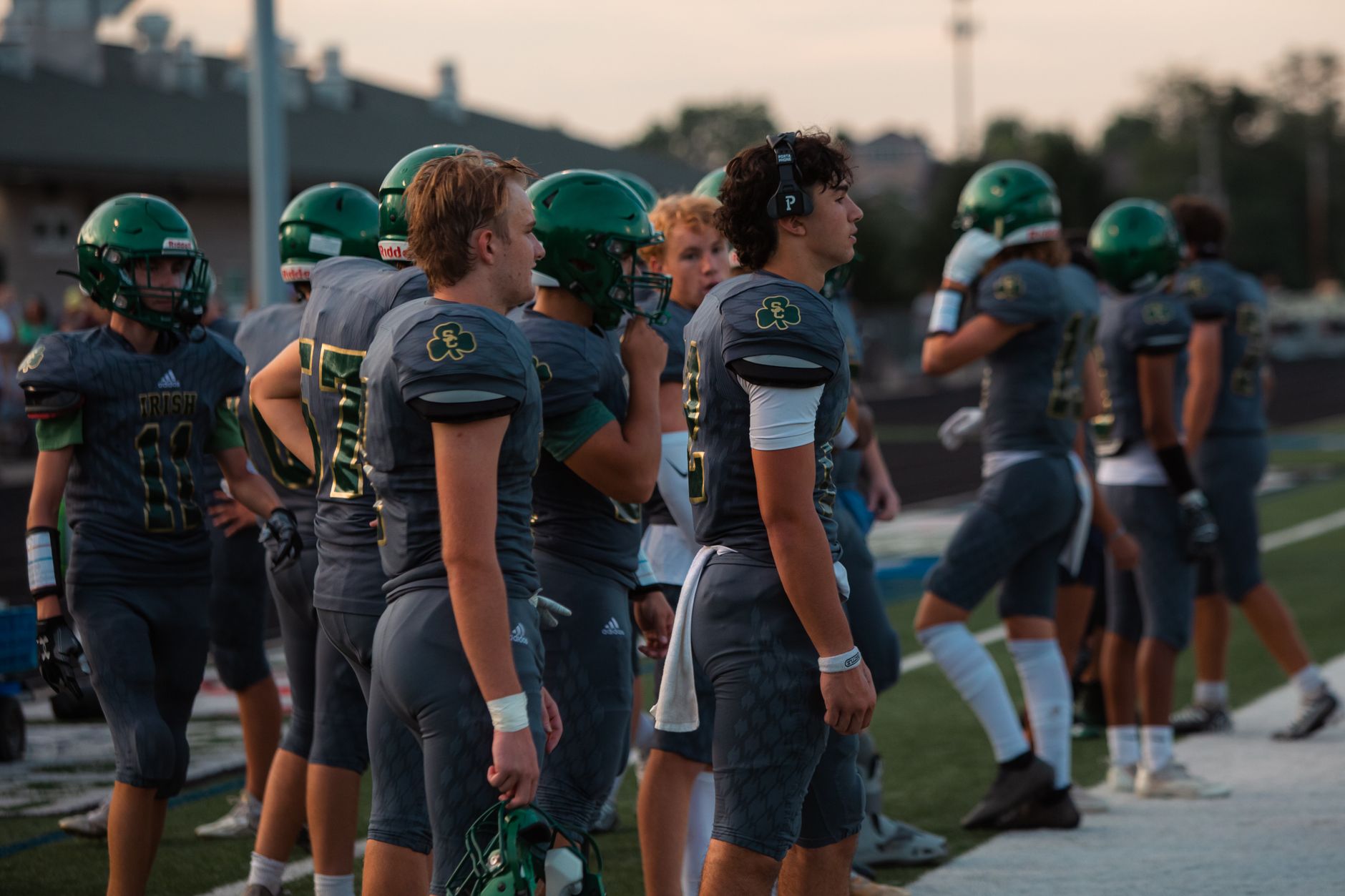
Photo by Yura Forrat on Pexels
If you analyze NCAA football: do A before trusting targeting or replay news
For NCAA football, first separate confirmed rule language from annual officiating emphasis. The College Football Officiating organization and the National Football Foundation highlighted 2026 changes involving targeting penalties, replay procedures, player safety, technology, on-field operations and the fair-catch kick. These changes can influence game management and late-game decisions, but the precise effect depends on the adopted NCAA rule text and conference administration.
The fair-catch kick is the headline item because it gives a team a distinct scoring option after a fair catch in the circumstances defined by the NCAA rules. It is not a normal field goal attempt, not a guaranteed three points and not a universal American-football rule. Coaches must understand the location, timing, formation and defensive restrictions before treating it as a realistic end-of-half weapon. Bettors should be even more careful: a headline mentioning the fair-catch kick does not mean every college game suddenly contains a high-probability scoring opportunity.
Targeting remains a safety-centered area where procedural detail matters. Penalty administration, replay review and potential disqualification can affect possession, field position and personnel. The NCAA committee’s broader objective is consistent with the NCAA concussion and player-safety resources, which emphasize reducing avoidable harm while preserving competitive fairness. As the CFO has described the committee’s mission, “player safety has been the highest priority of the committee for many years.” That statement is useful context, but it should not be stretched into a prediction about how often flags will appear.
Here is the operational method I recommend:
- Read the NCAA change summary, not only a media headline.
- Check the conference’s officiating bulletin for replay and administration notes.
- Record whether a rule changes eligibility, penalty yardage, possession or only review procedure.
- Rewatch late-game incidents with the relevant down, clock and spot visible.
- Keep preseason experiments separate from rules that apply during the regular season.
The less obvious edge is procedural rather than statistical. A replay change can alter how long an incident remains live for review, which may affect coaching decisions even when the final penalty is unchanged. In a 30-game review sample across different college broadcasts, I would track the original ruling, review trigger, clock adjustment and final possession separately; collapsing all four into “the referee overturned it” produces useless analysis. Use our [Internal Link: college football betting and matchup analysis guide] for team-specific context, but do not invent a league-wide advantage from a handful of clips.
Looking for a cleaner way to compare confirmed NCAA updates?
If you follow the NFL: do B before adjusting kickoff or special-teams models
The NFL’s 2026 rule changes are concentrated in kickoff mechanics and serious foul administration. Rule 6-1-3 modifies alignment requirements for receiving-team players in the setup zone on a kickoff or safety kick. Rule 6-1-5 changes the dead-ball spot after a touchback when the kickoff comes from the 50-yard line, while Rule 6-1-6 permits the kicking team to declare an onside kick at any time during the game.
Those provisions can matter to special-teams coordinators and late-game strategy, but they do not automatically justify changing every team’s projected starting field position. The touchback amendment is conditional: the kickoff location matters, and so does whether the play produces a touchback. Treating it as a universal field-position shift is the sort of shortcut that looks clever until the first exception appears.
The onside-kick change is easier to misunderstand than it looks. The ability to declare an onside kick at any time does not guarantee a successful recovery, eliminate formation requirements or turn desperation possessions into routine drives. Teams still face execution risk, defensive preparation and field-position consequences. If a model assumes a fixed recovery percentage without separating declared onside kicks from surprise or conventional situations, the output is probably too confident.
NFL Rule 19-2 also permits league personnel to consult with on-field officials when considering potential disqualification for flagrant football and non-football acts, even if the incident was not called on the field. That is a meaningful governance change because it expands the review conversation around serious conduct. It does not mean every missed foul becomes an automatic ejection, and it does not remove the need for evidence, context and the applicable standard.
For prediction work, record these variables independently:
- Kickoff origin: ordinary spot, 50-yard line or safety kick.
- Return result: return, downed ball, touchback or penalty.
- Onside declaration: when it occurred and whether the opponent adjusted.
- Review status: on-field ruling, consultation and final discipline.
- Actual field position: where the next drive began, not merely what the kickoff rule suggested.
That data structure gives us something useful. If the average touchback location changes only in the 50-yard-line scenario, then broad NFL special-teams models should not apply that adjustment to every kickoff. This is a contrarian point, but it follows the wording: conditional rules deserve conditional models. Stadium View’s football coverage is primarily built around FIFA World Cup 2026, so NFL information should be used as a separate reference rather than blended into association-football match forecasts.

Photo by K on Pexels
If you follow FIFA World Cup 2026: do C and keep American rules out
For FIFA World Cup 2026, begin with the Laws of the Game and tournament-specific competition regulations, not NFHS, NCAA or NFL summaries. The tournament will be hosted across Canada, Mexico and the United States, with Los Angeles scheduled to stage eight matches and run fan activities around the event. FIFA association football uses laws covering fouls, restarts, offside, substitutions, disciplinary sanctions and video review; none of those are changed merely because an NFL rulebook has a new kickoff provision.
The key practical difference is the ball and the restart language. In association football, a kickoff starts each half and restarts play after a goal; an American football kickoff begins a play from a marked position under a completely different structure. A fair-catch kick therefore has no direct place in FIFA World Cup match analysis. Nor does an NFL touchback spot translate into a goal-kick, corner-kick or throw-in probability. Mixing those concepts is not bold analysis. It is just the wrong sport wearing a confident hat.
For World Cup prediction work, track changes that can genuinely affect match interpretation:
- FIFA competition regulations and official match protocols.
- Referee appointments and Video Assistant Referee (VAR) procedures.
- Added-time practices and substitution administration.
- Disciplinary thresholds, suspensions and squad eligibility.
- Stadium conditions, travel distance and kickoff times across Canada, Mexico and the United States.
The useful information gain here is methodological. A rule update matters to a prediction only if it changes a measurable event, such as expected stoppage time, suspension availability, restart frequency or review behavior. Otherwise, it belongs in a reference note rather than the model. Stadium View can connect rule knowledge with player statistics, team tactics and daily tournament coverage, but responsible readers should still verify final regulations at FIFA.com before wagering. Check the International Football Association Board Laws of the Game when a football term seems familiar but suspiciously similar to an American code.
Want World Cup-focused analysis without the rulebook confusion?
Common pitfalls to avoid
The most common mistake is assuming “football rules changes 2026” describes one global announcement. It does not. NFHS, NCAA, NFL and FIFA operate under separate authorities, and even within American football the effective dates differ. A second mistake is confusing editorial revisions with substantive gameplay changes; a long list of amended rule numbers can look dramatic while leaving ordinary play almost untouched.
A third mistake is using a rule headline as a betting angle without measuring its likely frequency. The fair-catch kick may be tactically interesting, but rarity matters. The NFL onside-kick declaration may be strategically flexible, but success remains uncertain. NFHS mouthguard restrictions may be important for eligibility and safety, yet they are not a useful match-total variable. Match the importance of the rule to the population affected, or the analysis becomes theatrical.
Avoid these shortcuts:
- Do not apply NFL kickoff rules to NCAA games.
- Do not call 2027 NFHS sleeve specifications a 2026 requirement.
- Do not treat a fair-catch kick as a normal field goal.
- Do not assume every targeting review produces disqualification.
- Do not use an American football rule to explain a FIFA World Cup restart.
- Do not rely on social posts that omit the governing body and effective date.
The responsibility issue is straightforward, especially because Stadium View operates in the gambling content space. Rules information should improve understanding, not encourage reckless staking or create the illusion of certainty. Set a budget, avoid chasing losses and check the law in your jurisdiction before using any betting service. The National Council on Problem Gambling provides support resources in the United States, and its existence is a useful reminder that analytical confidence is not the same thing as guaranteed profit.
One more practical warning: translations and unofficial summaries can flatten legal wording. Terms such as “may,” “must,” “eligible,” “declared” and “subject to review” carry different consequences. Copy the exact phrase, identify the rule number, note the effective season and then ask what event triggers it. That four-part habit has saved me more often than clever statistical decoration.

Photo by Truman Rexti on Pexels
The 30-day check-in
A 30-day review is enough to determine whether a 2026 football rule change is genuinely affecting games or merely dominating headlines. Start by collecting official updates from NFHS, NCAA/CFO, NFL Football Operations and FIFA. Then compare the rule’s intended effect with actual incidents: how often the trigger occurred, how officials administered it, whether replay changed the outcome and whether coaches altered strategy.
Use a simple monitoring sheet with these fields:
- Date and competition: include league, conference, venue and season.
- Rule reference: record the exact section and official wording.
- Trigger event: describe what happened before the decision.
- Initial ruling: note penalty, spot, clock and possession.
- Review result: record whether review occurred and what changed.
- Strategic consequence: identify field position, personnel or scoring impact.
- Prediction relevance: label it high, medium or low rather than forcing a betting angle.
After 30 days, separate frequency from consequence. A rule can be rare but decisive, like an unusual late-game onside kick, or common but strategically minor, like a permitted equipment placement. For FIFA World Cup 2026 preparation, run the same process with match protocols, referee guidance and VAR decisions, but keep the data separate from NFL and NCAA records.
The point is not to memorize every line in four rulebooks. It is to know which authority controls the event, when the rule starts, what action triggers it and whether the change can alter a measurable outcome. That is the professional edge. Not flashy, not complicated, and far less exhausting than arguing with someone who read one headline.
If you want to keep the 2026 updates on hand, bookmark the official sources and revisit them before major fixtures. Stadium View will continue connecting World Cup rules, tactical trends, player data and tournament news, but final verification belongs with FIFA, NFHS, the NCAA, CFO or NFL Football Operations. Ready to follow the next update?
Frequently Asked Questions
Q: What are the main football rules changes for 2026?
A: The main 2026 changes depend on the code: NFHS updates equipment and head-contact language, NCAA changes include targeting, replay, technology and the fair-catch kick, and NFL changes cover kickoffs, touchbacks, onside kicks and disqualification review. NFHS permits play cards on the forearm or belt and restricts certain mouthguard attachments. Arm-sleeve specifications are associated with the 2027 season, so they should not be reported as immediate 2026 requirements.
Q: How do I know which 2026 football rulebook applies?
A: Identify the competition first, then use its governing authority: NFHS for high school, NCAA and CFO guidance for college, NFL Football Operations for professional American football, and FIFA or IFAB for association football. The venue and teams usually reveal the code, but the official competition regulations provide the final answer. Never apply an NFL kickoff rule to a FIFA World Cup match or assume a college interpretation controls an NFL game.
Q: What is the difference between NCAA fair-catch kicks and NFL onside kicks?
A: A NCAA fair-catch kick is a scoring option available after a qualifying fair catch under NCAA rules, while an NFL onside kick is a declared kickoff strategy used to regain possession. They involve different triggers, formations, defensive restrictions and strategic objectives. Neither play should be treated as automatic points or an expected possession change, because field location, timing and execution determine the real outcome.
Q: Why might a 2026 football rule change not affect betting predictions?
A: A rule may be rare, conditional or limited to equipment and administration, making its statistical effect too small for a broad betting model. For example, NFHS mouthguard requirements matter for eligibility and safety but do not directly change an NFL game total. Track frequency, field position, clock impact and final possession before assigning a measurable prediction edge.
Q: What should teams check before the 2026 NFHS season?
A: Teams should inspect play-card placement, mouthguard attachments, head-contact expectations and local state-association guidance before the season begins. Coaches should also distinguish 2026 requirements from 2027 arm-sleeve specifications. A practical checklist should be completed during equipment inspection rather than on game day, when replacement options and time are limited.
Q: Are the 2026 American football changes used in the FIFA World Cup?
A: No, American football changes from NFHS, NCAA or NFL rulebooks do not govern the FIFA World Cup 2026. FIFA association football follows the Laws of the Game and tournament regulations covering matters such as fouls, restarts, substitutions, discipline and VAR. Analysts should use FIFA and IFAB materials for World Cup predictions and keep American football data in a separate database.
Q: How can I verify whether a football rules claim is genuine?
A: Check the official rulebook, rule number, governing organization, effective season and trigger condition before accepting the claim. Compare the report with NFHS, NCAA/CFO, NFL Football Operations, FIFA or IFAB publications, then record whether it is a substantive change, clarification or editorial revision. If the source does not identify the competition and date, treat the claim as unverified rather than building a prediction around it.