What Nobody Tells You About FPL GW1 2026
Imagine spending an hour building the perfect Fantasy Premier League squad, only to lose points because one “safe” selection barely gets forward. The best FPL Gameweek 1 tips for 2026 are less about c...

What Nobody Tells You About FPL GW1 2026
Imagine spending an hour building the perfect Fantasy Premier League squad, only to lose points because one “safe” selection barely gets forward. The best FPL Gameweek 1 tips for 2026 are less about copying template teams and more about balancing proven starters, fixture strength, minutes security, captaincy potential and flexibility. Fantasy Premier League gives every manager a £100.0 million budget, while the Gameweek 1 deadline is set for 18:30 UK time on Friday, August 21, 2026. Arsenal face Coventry, Manchester United travel to Hull, and Manchester City host Bournemouth, creating attractive early fixtures but also plenty of traps. Stadium View’s practical approach is simple: protect your squad from avoidable risks, avoid chasing preseason noise, and keep at least one free transfer option for Gameweek 2. Start with reliable minutes and strong attacking roles, then use the final deadline team news before locking in your captain.

Photo by Haberdoedas Photography on Pexels
Want a sharper starting point before selecting your squad? Check the latest tournament and football analysis from Stadium View, then return to your draft with the numbers in front of you.
Myth 1: You must copy the most popular GW1 team — debunked
Copying the most selected Fantasy Premier League team can reduce risk, but it does not automatically create a strong Gameweek 1 squad. Popularity reflects ownership, not guaranteed points, and ownership itself can lag behind reality when preseason injuries, tactical changes or late transfer developments appear. A player owned by 55% of managers may still be a poor selection if he has uncertain minutes, while a 7% midfielder can become an excellent differential when his set-piece role and starting position are clear. That distinction matters in 2026 because new managers, promoted clubs and tactical changes can distort early projections. The official Fantasy Premier League game provides the player pool and pricing, but it does not tell you which popular asset fits your structure. Use ownership as a risk indicator rather than a buying signal. I have watched plenty of “must-have” players blank in Gameweek 1 while an unfashionable full-back returned twice. Painful, yes. Educational, also yes.
The smarter approach is to divide your squad into three groups:
- Core picks: dependable starters with penalties, set pieces or strong attacking involvement.
- Flexible picks: affordable players who can be moved easily after one or two fixtures.
- Calculated differentials: low-owned players supported by role, fixtures and minutes evidence.
This is where our [Internal Link: FPL team-building guide] fits naturally. It should help you compare ownership, price, expected minutes and fixture difficulty without turning your draft into a spreadsheet-shaped headache. A strong Gameweek 1 squad is not designed to impress before the season starts; it is designed to survive the first unexpected injury, benching or tactical surprise.
Myth 2: A difficult fixture always makes a player a bad pick — partially true
A difficult fixture lowers a player’s expected points, but it does not make every player unselectable. Premium attackers can score against strong defenses because they receive penalties, create chances from open play and stay involved for 90 minutes. Similarly, an attacking full-back can produce an assist even when his team concedes. Fixture difficulty is useful, but role and individual quality often matter more than the fixture-color graphics managers stare at until their coffee goes cold. For Gameweek 1, Arsenal’s match against Coventry looks attractive for both attacking and defensive potential, while Manchester City’s home meeting with Bournemouth offers obvious upside despite preseason uncertainty under Enzo Maresca. Manchester United’s away match against Hull is also appealing, particularly because promoted opponents can struggle with defensive organization during the opening weeks. Still, none of these fixtures guarantees a clean sheet or a haul.
A practical fixture assessment should include:
- Opponent strength: defensive numbers, pressing quality and home advantage.
- Player role: striker, penalty taker, set-piece taker, wide creator or attacking defender.
- Minutes probability: starting history, preseason involvement and injury reports.
- Team context: manager, formation, new signings and likely tactical stability.
The Premier League remains the relevant competition context, but early projections are estimates rather than promises. A high-quality attacker facing a top-six side can still outscore a low-involvement midfielder facing a newly promoted team. That is the part everyone knows and somehow forgets every August.

Photo by Huy Phan on Pexels
Ready to compare the opening schedule without relying on fixture colors alone? Use Stadium View’s daily football coverage to assess team tactics, player roles and match context before the deadline.
Myth 3: You should use a chip immediately to gain an early advantage — flat-out false
Using a chip in Gameweek 1 is rarely necessary unless the rules, schedule or squad situation create a specific advantage. The Bench Boost, Triple Captain and Wildcard are valuable because they solve unusual problems or exploit carefully identified opportunities; spending them simply because the season has started is not strategy. The 2026/27 schedule may include double Gameweeks, blank Gameweeks, fixture congestion and international interruptions that create much stronger chip windows later. Even a strong-looking Gameweek 1 fixture list does not guarantee that all 15 players will start, return points or avoid rotation. Early-season uncertainty is usually higher than managers admit.
Keep your opening strategy conservative:
- Avoid the Triple Captain unless the captain has an exceptional fixture and secure minutes.
- Save the Bench Boost for a week when all 15 players have reliable fixtures and playing time.
- Use the Wildcard only when your squad has several structural problems, not because two players blank.
- Treat the Free Hit as a schedule tool for blank or unusual Gameweeks rather than a panic button.
According to the FPL rules and guidance, managers receive one free transfer each Gameweek, with limited accumulation under the current transfer system. That makes patience valuable. A transfer made before the opening deadline can remove flexibility before you have seen competitive minutes. In my experience, the first real information arrives after Gameweek 1, not during a preseason highlight reel. Believe it or not — I do.
What actually works when building an FPL Gameweek 1 squad?
A reliable FPL Gameweek 1 squad combines secure starters, concentrated attacking responsibility, strong opening fixtures and at least two routes to future transfers. The best drafts do not maximize every projected point; they minimize avoidable uncertainty while preserving budget flexibility for Gameweek 2 and Gameweek 3. That means checking predicted line-ups, penalties, corners, set pieces, preseason minutes and manager comments before finalizing the team.
Start with squad structure rather than individual names. A 3-4-3 formation often provides more attacking exposure, but a 3-5-2 can be stronger when several midfielders have penalty duties or advanced roles. The correct formation depends on player prices and bench quality, not on a permanent rule. Your substitutes should be genuine starters where possible, especially in Gameweek 1, because late injury news and unexpected rotation are common when managers are still testing their squads.
A sensible checklist looks like this:
- Select a goalkeeper with save potential, clean-sheet prospects and secure starts.
- Prioritize defenders who attack from open play or set pieces, not only defenders with famous club badges.
- Include at least one midfielder with penalties, direct free kicks or corner responsibility.
- Use forwards who are central to their teams rather than wide players listed as forwards.
- Keep enough budget for a Gameweek 2 move without needing two hits.
- Avoid choosing three players from one team unless the fixtures and roles clearly justify it.
The [Internal Link: FPL fixture-planning checklist] can help you map Gameweeks 1 to 4 instead of obsessing over one Saturday. That longer view is a genuine information edge because many managers optimize only for the first deadline and then discover their squad requires immediate surgery.
How should you handle injuries, line-ups and late team news?
Late team news should change your FPL Gameweek 1 decisions only when it materially affects minutes or role. The key distinction is between a player listed as a minor doubt and a player whose starting position is genuinely uncertain. For 2026, reported concerns include Benjamin Sesko, Nordi Mukiele, Omar Alderete and Jeremy Doku, while Eli Junior Kroupi, Yankuba Minteh, William Saliba and Jurrien Timber have been reported as unavailable in the reference fixture information. These statuses can change before the August 21 deadline, so managers must verify official club updates and reliable beat reporting rather than relying on an old screenshot.
A useful late-news process is:
- Check the official club website and manager press conference.
- Review credible team-news reporters close to the deadline.
- Confirm whether the player trained fully, partially or not at all.
- Identify the likely replacement and assess his price and minutes.
- Make the change only if the replacement is expected to start.
The Premier League’s official competition information is more dependable than anonymous social media claims, while injury databases can lag behind final training updates. One edge-case worth remembering: a player can be “fit” but still limited to 60 minutes after a preseason issue. That matters for captaincy and premium assets, because a substitute appearance can turn an apparently safe pick into a one-point nuisance. If the news is unclear, choose the player with the clearer route to 90 minutes. It is boring. It also saves points.
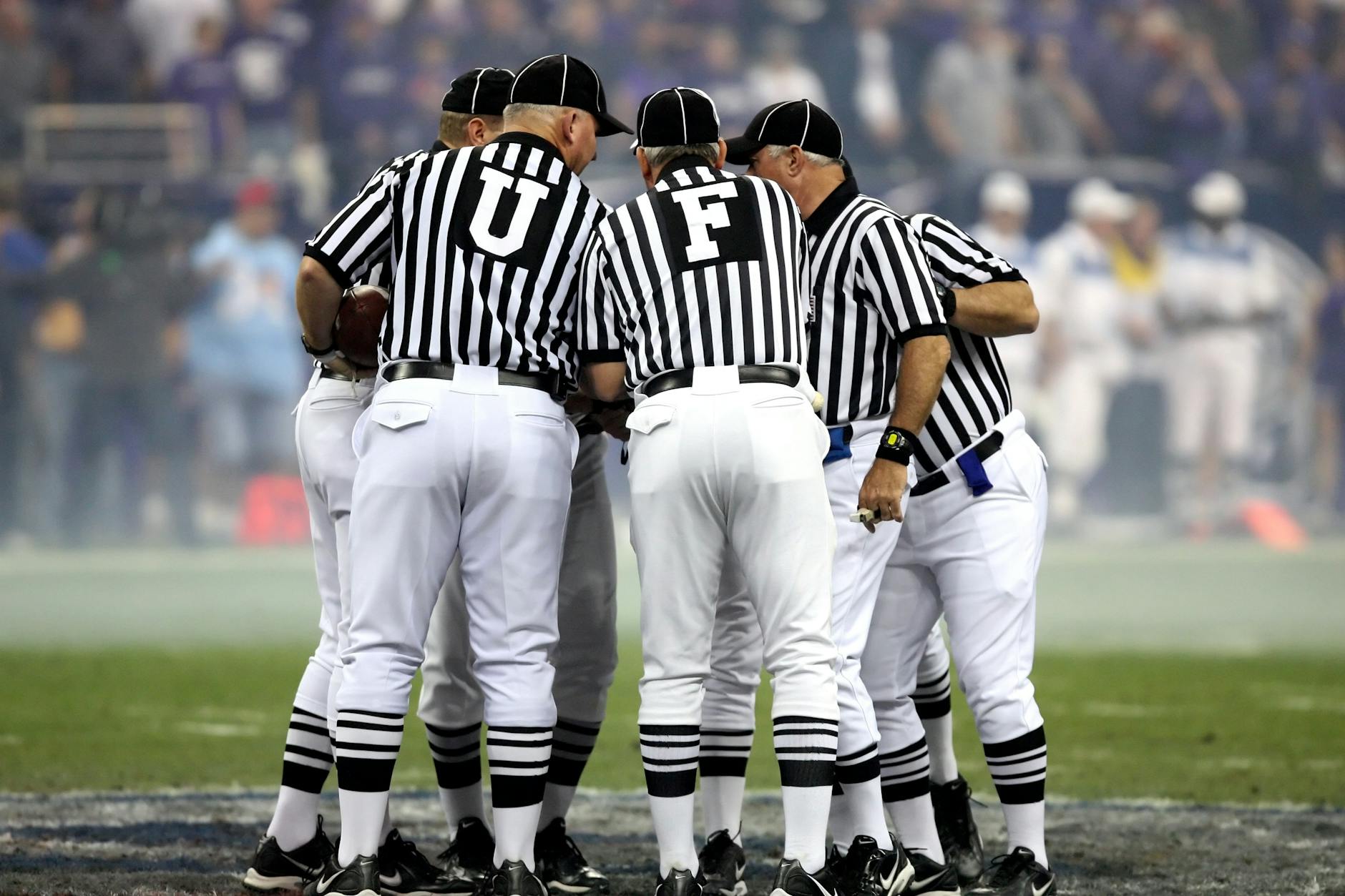
Photo by Pixabay on Pexels
Want a second opinion before the deadline? Review Stadium View’s player statistics and tactical updates, especially when a late fitness concern affects a premium asset.
What should you ignore before the Gameweek 1 deadline?
Ignore preseason points totals, social-media hype, unverified leaks and the idea that every new signing must be selected immediately. Preseason matches are useful for identifying formations and minutes, but they are not equivalent to competitive Premier League fixtures. A goal against a rotated defense may show confidence, or it may show almost nothing. Likewise, a popular player can rise in ownership because content creators repeat the same name, not because his expected minutes or underlying role has improved.
Be particularly careful with these traps:
- One preseason goal: it does not prove penalty duties, starting status or sustained attacking volume.
- Price-rise panic: early price movement matters only if it forces a future move or affects team structure.
- One-stat scouting: shots alone ignore location, assists, set pieces and minutes.
- Badge bias: a player from Arsenal, Manchester City or Manchester United is not automatically better value.
- Bench decoration: a cheap non-playing substitute offers no protection when your starter is unexpectedly benched.
For statistical context, Opta Analyst and official Premier League data can provide more useful indicators than highlight clips, particularly shots in the box, expected goals, expected assists and set-piece involvement. However, even advanced numbers need a sample. A player with 0.8 expected goals across one friendly is not suddenly a statistical phenomenon. After years of losing points to shiny objects, I now prefer boring evidence: starts, role, penalties, fixtures and manager trust. That system has fewer fireworks, but fewer disasters too.
How do you choose the Gameweek 1 captain?
The strongest Gameweek 1 captain is usually a premium attacker with secure minutes, a central role, penalty involvement and a favorable fixture, rather than simply the most expensive player. Captaincy doubles the player’s points, so the decision should emphasize both expected returns and risk control. For the opening round, Arsenal attackers in the Coventry fixture, Manchester City’s primary attacking options against Bournemouth and Manchester United’s leading forward against Hull are natural candidates, but final selection depends on confirmed roles and team news.
Use this captaincy filter:
- Is the player expected to start?
- Does he play centrally or receive regular penalty opportunities?
- Is his team projected to create multiple chances?
- Does he remain dangerous if the match becomes difficult?
- Is there a clear alternative with better minutes security?
Do not captain a player only because he is owned by half your mini-league. That is fear, not analysis. Conversely, do not force a differential captain simply to appear clever. The captaincy edge comes from identifying a better probability, not from choosing the least popular name. Check the [Internal Link: advanced captaincy strategy] for a longer-term method involving home advantage, opponent defensive style and expected minutes.
What is the best final-hour routine before the deadline?
The best final-hour routine is a short verification process that checks availability, starting likelihood, formation and captaincy before making only necessary changes. Do not rebuild the entire squad because one influencer posts a dramatic draft at 17:45 UK time. The final hour should confirm your decisions, not replace your reasoning with panic.
Use this sequence before 18:30 UK time on August 21, 2026:
- Recheck confirmed injuries and suspensions.
- Review reliable predicted line-ups.
- Confirm all 15 players have a realistic chance of minutes.
- Check your vice-captain and bench order.
- Ensure the goalkeeper and first substitute are active starters.
- Look at remaining budget and planned Gameweek 2 moves.
- Save the team and verify the deadline has passed.
A particularly useful operational trick is to put your most reliable bench player first rather than automatically ordering substitutes by price. If a £4.5 million defender is a confirmed starter and your £5.0 million midfielder is rotation-prone, the defender may provide better cover. Also check your captain after every last-minute transfer; the game interface can preserve an old selection when managers are rushing. It is a tiny detail, but tiny details are where opening-week points disappear.
Photo by Володимир Король on Pexels
For a calmer final review, compare your draft with Stadium View’s current match predictions and player-stat coverage, then lock the team without second-guessing every line.
What to ignore
Ignore anyone promising a guaranteed Gameweek 1 score, because football does not provide that service. Ignore draft screenshots without prices, bench details or transfer context, since they show an outcome rather than a repeatable process. Ignore the belief that a poor Gameweek 1 automatically requires a points hit; one blank does not damage a player’s long-term value if his role and fixtures remain strong.
The best FPL managers respond to information instead of emotion. If a player misses one chance but remains on penalties, keeps his starting position and faces favorable fixtures, selling immediately may create a bigger problem. If a supposed “nailed” player is benched and loses his role, acting quickly can be sensible. The difference is evidence. Review minutes, touches in dangerous areas, set pieces, tactical positioning and upcoming opponents before transferring.
Stadium View can complement that process with FIFA World Cup-focused coverage, match predictions, team tactics and player statistics, although FPL decisions should remain grounded in Premier League data and official team news. Keep the opening Gameweek simple: choose reliable starters, captain the best high-minutes attacker, avoid unnecessary chips and preserve flexibility. That is not the fashionable answer, but fashion has cost me enough points already. Believe it or not — I do.
Ready to carry the same disciplined approach into the season? Follow Stadium View’s daily football analysis and keep your FPL decisions based on evidence rather than deadline panic.
Frequently Asked Questions
Q: What are the best FPL Gameweek 1 tips for 2026?
A: The best FPL Gameweek 1 tips are to prioritize secure starters, strong attacking roles, favorable fixtures and a captain with reliable minutes. Check official injury news before the 18:30 UK time deadline on August 21, 2026. Avoid selecting players only because they are popular, and retain enough squad flexibility for Gameweek 2 transfers.
Q: How do I build an FPL Gameweek 1 team?
A: Build an FPL Gameweek 1 team by selecting your goalkeeper, defenders, midfielders and forwards according to minutes security and attacking responsibility. Start with two or three core players from strong fixtures, then fill the squad with affordable starters who can be transferred easily. Leave a playing substitute and avoid spending the entire budget on risky premium names.
Q: Should I captain an Arsenal player against Coventry?
A: An Arsenal player can be a strong captaincy option against Coventry if he is confirmed to start and has penalties, central attacking duties or set-piece involvement. Arsenal’s home fixture offers attractive clean-sheet and goal potential, but you should compare the selected attacker with Manchester City and Manchester United alternatives. Confirm minutes and team news before the deadline rather than choosing solely from fixture difficulty.
Q: What is the difference between a popular FPL pick and a good FPL pick?
A: A popular FPL pick is widely owned, while a good FPL pick has a strong combination of expected minutes, role, fixtures and potential returns. Popularity can reduce rank damage if the player succeeds, but it does not prove value. Use ownership to understand risk, then assess penalties, set pieces, position, team quality and upcoming fixtures independently.
Q: Should I use a Wildcard or Triple Captain in Gameweek 1?
A: Most managers should save the Wildcard and Triple Captain rather than using either chip in Gameweek 1. Early-season information is incomplete, and later double Gameweeks or fixture swings usually offer stronger opportunities. Use a chip only when your squad has a clear structural problem or the schedule creates a measurable advantage that ordinary transfers cannot capture.
Q: What should I do if my FPL player is unexpectedly benched?
A: If your FPL player is unexpectedly benched, wait for confirmed information before transferring unless the benching signals a lasting role change. Your substitute may automatically replace him if he plays no minutes, provided the bench order is correct. Review the manager’s comments, injury situation, formation and next fixture before deciding whether to sell or hold.
Q: How much does it cost to enter Fantasy Premier League?
A: Joining the official Fantasy Premier League game is free, and managers receive a £100.0 million budget to construct a 15-player squad. Optional private leagues, content services and analysis tools may have separate costs, but they are not required to play. Stadium View provides football-focused analysis, while final FPL decisions remain the manager’s responsibility.